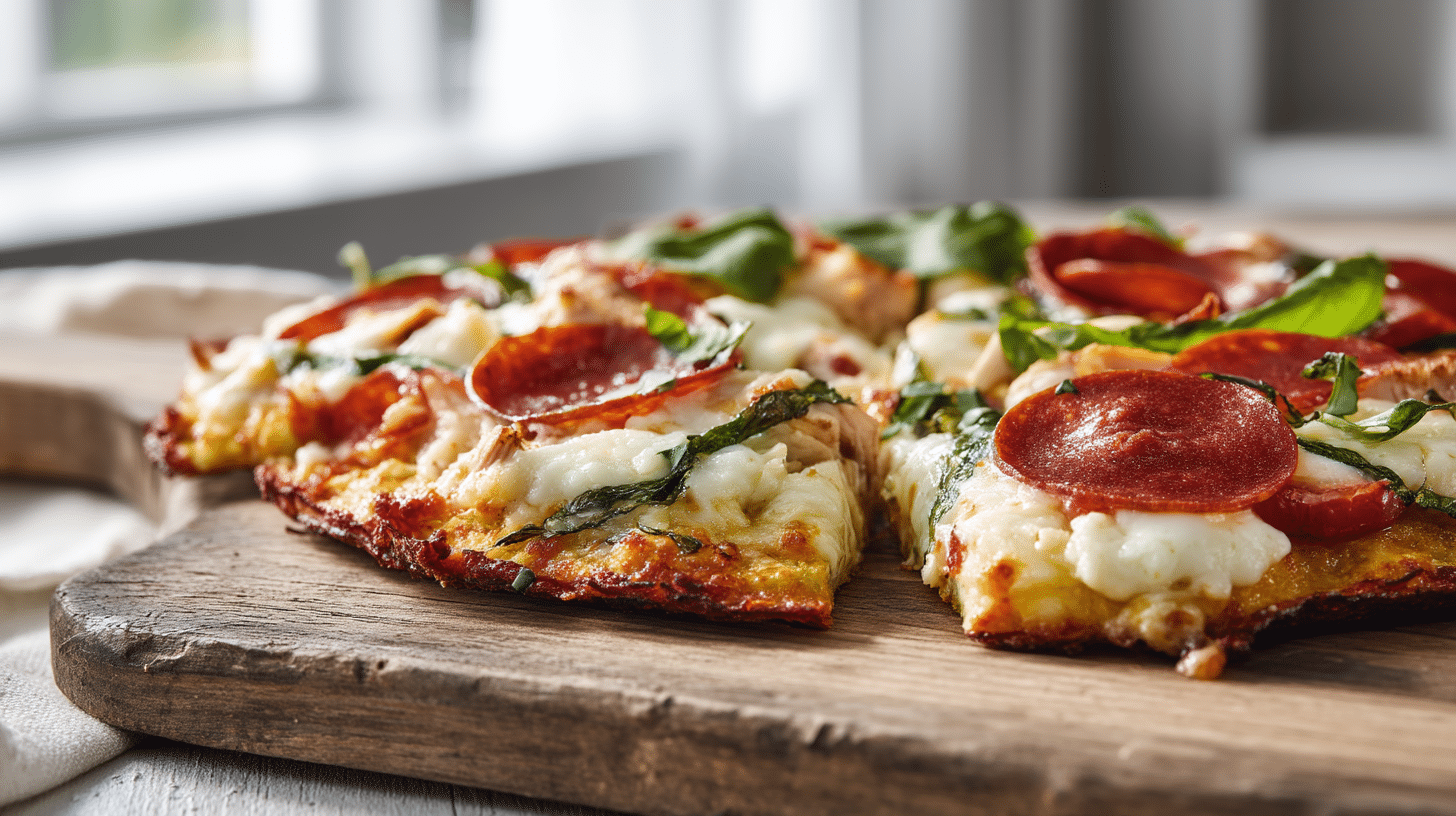
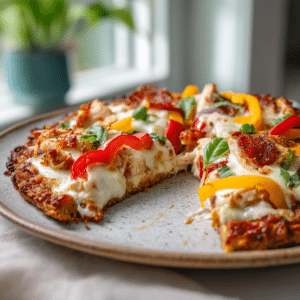
Have you been looking for a pizza crust that’s both satisfying and packed with protein ? This High Protein Cottage Cheese Pizza Crust is a simple, yeast-free recipe that transforms everyday ingredients into a crispy, flavorful base you’ll want to make again and again. Blended cottage cheese creates a smooth dough with a mild, cheesy flavor that pairs perfectly with your favorite toppings-without tasting like cottage cheese once it’s baked.
Whether you’re planning a quick weeknight dinner, meal prepping for the week, or simply searching for a healthier alternative to traditional pizza dough, this high protein pizza base delivers the perfect balance of texture, taste, and nutrition. With minimal prep, customizable flour options, and a sturdy crust that holds up beautifully, it’s an easy recipe you’ll feel good about serving to family and friends.
Key Benefits of High protein Cottage Cheese Pizza Crust
If you love pizza but want a healthier way to enjoy it, this High Protein Cottage Cheese Pizza Crust checks all the boxes. It’s simple to make, packed with nourishing ingredients, and delivers a surprisingly crispy texture that stands up well to your favorite toppings.
Here’s why this recipe deserves a spot in your regular meal rotation:
- High in protein: Cottage cheese and eggs create a high protein pizza base that helps keep you feeling satisfied longer, making it a great choice for lunch, dinner, or post-workout meals.
- No yeast required: Skip the waiting time for dough to rise. This yeast-free pizza crust comes together quickly, making homemade pizza possible even on busy weeknights.
- Crispy on the outside, tender inside: With the right baking method, you’ll enjoy a golden crust with crisp edges and a sturdy center that holds toppings without falling apart.
- Mild, cheesy flavor: Wondering if it tastes like cottage cheese? Once baked, the flavor becomes subtle and savory, blending beautifully with herbs, sauce, and melted cheese.
- Easy to customize: Whether you prefer almond flour for a lower-carb option, oat flour for extra whole grains, or a gluten-free flour blend, this recipe adapts easily to your dietary needs and preferences.
- Great for meal prep: Bake the crust ahead of time, store it in the refrigerator or freezer, and finish it with fresh toppings whenever you’re ready for a quick homemade pizza.
- Family-friendly: Even picky eaters are often surprised by how delicious this cottage cheese pizza crust tastes, making it an easy way to add more protein to everyday meals.
Ingredients
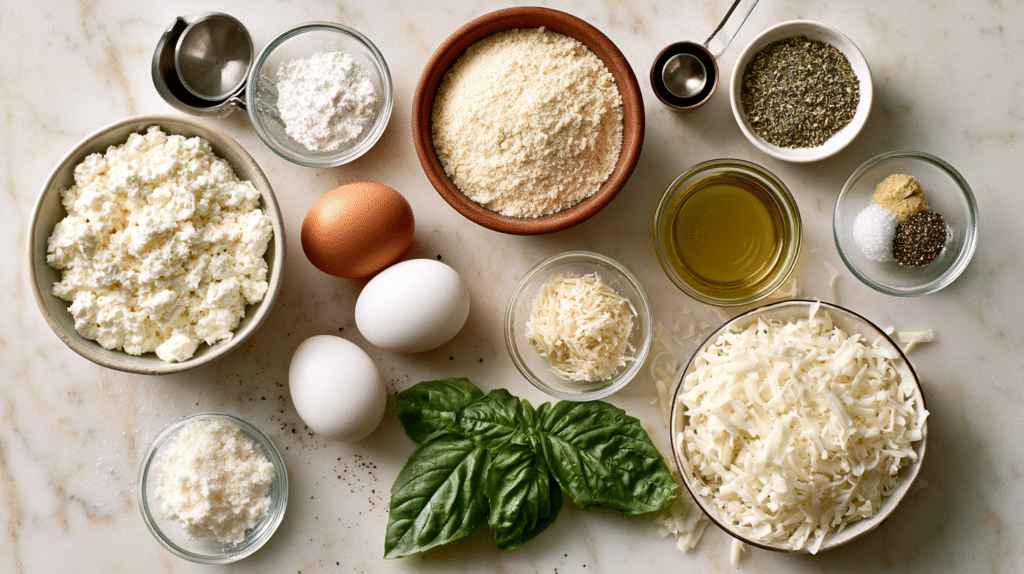
One of the best things about this High Protein Cottage Cheese Pizza Crust is that it relies on simple, everyday ingredients. Each one plays an important role in creating a sturdy, flavorful crust with a crisp finish and plenty of protein.
For the Pizza Crust
- 1 cup small-curd cottage cheese (2% or full-fat) : The star ingredient that adds creaminess, moisture, and a generous protein boost. For the smoothest texture, blend it before mixing.
- 2 large eggs : Help bind the ingredients together while adding structure and extra protein.
- ½ cup almond flour : Creates a tender, low-carb crust with a slightly nutty flavor. You can also use oat flour or a gluten-free 1-to-1 flour blend if you prefer a different texture.
- ¼ cup finely grated Parmesan cheese : Adds savory depth and encourages a beautifully golden, crispy crust.
- 1 teaspoon baking powder : Gives the crust a lighter texture without the need for yeast.
- 1 teaspoon Italian seasoning : Brings classic pizza flavor to every bite.
- ½ teaspoon garlic powder : Adds subtle, savory warmth.
- ¼ teaspoon onion powder : Enhances the overall flavor without overpowering the crust.
- ¼ teaspoon fine salt : Balances and brightens the ingredients.
- ¼ teaspoon freshly ground black pepper : Adds a gentle touch of spice.
Optional Toppings
Customize your cottage cheese pizza crust with your favorite toppings. Here are a few delicious ideas:
- Thick marinara or pizza sauce
- Shredded low-moisture mozzarella
- Turkey pepperoni or grilled chicken
- Sautéed mushrooms
- Bell peppers
- Red onion
- Black olives
- Baby spinach (lightly wilted)
- Fresh basil leaves
- Crushed red pepper flakes for a little heat
Ingredient Tips for the Best Results
- Blend the cottage cheese completely. A smooth mixture creates a more even batter and helps the crust bake with a consistent texture.
- Choose low-moisture cheese for toppings. It melts beautifully without adding excess liquid that can soften the crust.
- Measure flour accurately. Too much flour can make the crust dense, while too little may leave it too soft to support toppings.
- Use fresh baking powder. This small ingredient makes a noticeable difference in achieving a lighter, sturdier high protein pizza base.
- Pat watery vegetables dry. If you’re using ingredients like tomatoes or mushrooms, removing excess moisture helps keep the crust crisp after baking.
Instructions
Making this High Protein Cottage Cheese Pizza Crust is easier than you might think. Follow these simple steps for a sturdy, golden crust with crisp edges that’s ready to hold all your favorite toppings.
1. Prepare Your Oven
- Preheat your oven to 425°F (218°C).
- Place a baking sheet or pizza stone in the oven while it heats. A hot surface helps the bottom of the cottage cheese pizza crust become crisp instead of soft.
- Line another baking sheet or a large cutting board with parchment paper for shaping the dough.
2. Blend the Wet Ingredients
- Add the cottage cheese and eggs to a high-powered blender or food processor.
- Blend for 30–60 seconds, or until the mixture is completely smooth.
Tip: Don’t skip this step. Fully blended cottage cheese creates a more uniform batter and helps prevent pockets of moisture that can lead to a soggy crust.
3. Mix the Dough
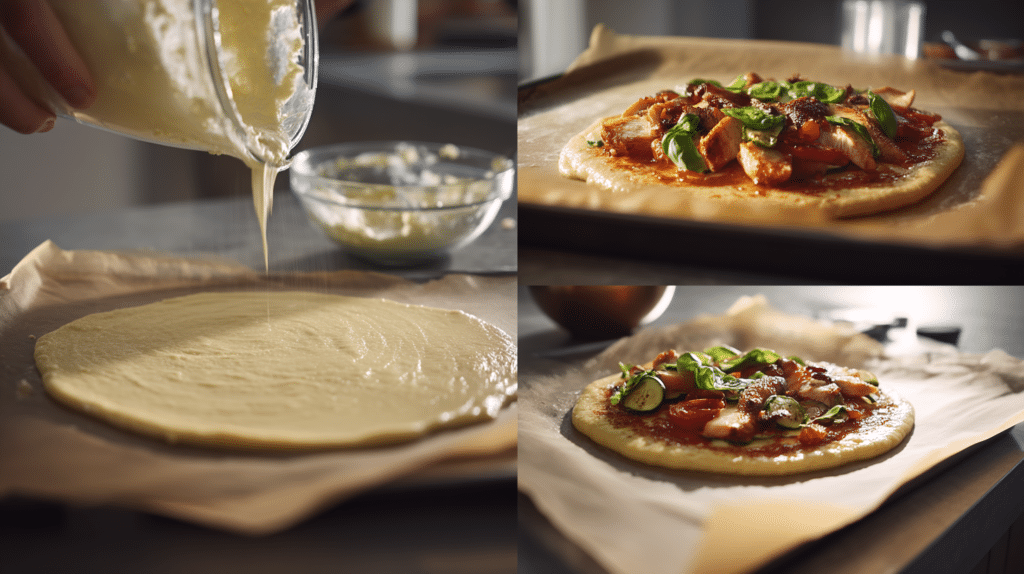
- Pour the blended mixture into a mixing bowl.
- Add the almond flour, Parmesan cheese, baking powder, Italian seasoning, garlic powder, onion powder, salt, and black pepper.
- Stir until everything is evenly combined.
The mixture will be thicker than pancake batter but softer than traditional pizza dough. That’s exactly what you’re looking for.
4. Shape the Crust
- Spoon the mixture onto the prepared parchment paper.
- Spread it into a 10 to 12-inch circle about ¼ inch thick, smoothing the surface with a spatula.
For even baking, keep the thickness as consistent as possible from the center to the edges.
5. Par-Bake the Crust
- Carefully transfer the parchment with the shaped dough onto the preheated baking sheet or pizza stone.
- Bake for 12–15 minutes, or until the edges are lightly golden and the center feels set.
This first bake creates the sturdy base needed to support sauce and toppings.
6. Flip for Extra Crispness
- Place a fresh sheet of parchment paper over the baked crust.
- Position a second baking sheet or large cutting board on top.
- Holding both firmly, flip the crust over.
- Peel away the original parchment paper.
Return the crust to the oven and bake for 5–7 more minutes, until the bottom is golden and slightly crisp.
Why this works: Flipping exposes the underside directly to the heat, creating a firmer high protein pizza base with a better texture.
7. Add Your Favorite Toppings
Before adding sauce, lightly brush the crust with a thin layer of olive oil or sprinkle on a little extra Parmesan cheese. This simple step helps create a barrier that keeps moisture from soaking into the crust.
Then add:
- A thin layer of thick pizza sauce or marinara
- Shredded low-moisture mozzarella
- Protein-rich toppings like grilled chicken or turkey pepperoni
- Vegetables that have been patted dry or lightly cooked
Avoid overloading the pizza, as too many toppings can make even a well-baked crust soften.
8. Finish Baking
Return the pizza to the oven and bake for 6-8 minutes, or until the cheese is melted and bubbling.
For an extra golden finish, broil for 1-2 minutes, watching carefully to prevent burning.
9. Rest Before Slicing
Transfer the pizza to a wire cooling rack and let it rest for 3-5 minutes.
This short resting time allows steam to escape, helping the crust stay crisp while making it easier to slice cleanly with a pizza cutter.
Air Fryer Method
If you’re making a personal-sized pizza, the air fryer is a fantastic option.
- Preheat the air fryer to 375°F (190°C).
- Line the basket with perforated parchment paper if recommended by your air fryer manufacturer.
- Spread the dough into a small round that fits comfortably inside the basket.
- Cook the crust for 8–10 minutes.
- Carefully flip and cook for another 3–4 minutes.
- Add your toppings and air fry for 3–5 minutes, until the cheese is melted and lightly browned.
The circulating hot air creates a wonderfully crisp exterior while keeping the inside tender and flavorful, making this method perfect for a quick homemade pizza.
Pro Tips and Variations
Once you’ve made this High Protein Cottage Cheese Pizza Crust once, you’ll see how easy it is to customize. These expert tips and creative variations will help you achieve a consistently crispy crust while adapting the recipe to suit your taste and dietary preferences.
Pro Tips for the Best Results
1. Blend Until Completely Smooth
Smooth batter is the secret to a sturdy crust. Blend the cottage cheese and eggs until no curds remain before adding the dry ingredients. This creates an even texture and helps the crust bake uniformly.
2. Preheat Your Baking Surface
Whether you’re using a baking sheet or a pizza stone, let it heat in the oven before adding the crust. Starting on a hot surface encourages a crisp, golden bottom from the very beginning.
3. Don’t Skip the Par-Bake
Par-baking is what transforms a soft batter into a strong cottage cheese pizza crust. Baking the crust before adding sauce and toppings prevents excess moisture from soaking into the base.
4. Flip for Maximum Crispness
After the first bake, flipping the crust and baking it a little longer gives both sides direct exposure to the heat. It’s a simple step that makes a noticeable difference in texture.
5. Create a Moisture Barrier
Before spreading on the sauce, lightly brush the crust with olive oil or sprinkle it with a little grated Parmesan. This helps protect the crust from moisture and keeps every slice crisp.
6. Use Thick Sauce
Choose a thick pizza sauce instead of a watery marinara. Less moisture means a firmer crust that holds its shape from the first bite to the last.
7. Be Selective with Toppings
Heavy or watery toppings can soften even a well-baked crust. For the best texture:
- Sauté mushrooms before using.
- Pat fresh vegetables dry.
- Drain cooked meats if needed.
- Use low-moisture mozzarella for excellent melting without excess liquid.
Easy Recipe Variations
Low-Carb Almond Flour Version
For a lower-carb option, stick with almond flour. It creates a tender, flavorful crust that’s ideal for anyone looking for a grain-free high protein pizza base.
Oat Flour Version
Oat flour gives the crust a heartier texture and a mild, slightly nutty flavor. It’s a great choice if you enjoy whole-grain recipes while still keeping the crust protein-rich.
Gluten-Free Option
Swap in your favorite gluten-free 1-to-1 flour blend if almond flour isn’t your preference. Be sure to choose one designed for baking to achieve the best texture.
Extra Protein Boost
Want even more protein? Stir a small scoop of unflavored whey protein powder into the dry ingredients. If the batter becomes too thick, add a tablespoon or two of water until it spreads easily.
Herb and Cheese Upgrade
Mix in extra flavor by adding:
- Fresh chopped basil
- Dried oregano
- Crushed rosemary
- Red pepper flakes
- Extra Parmesan or Romano cheese
These simple additions create a more aromatic crust that pairs beautifully with classic pizza toppings.
Common Mistakes to Avoid
Even simple recipes have a few pitfalls. Here’s how to avoid them:
- Using unblended cottage cheese: Curds can release extra moisture during baking and affect the crust’s texture.
- Making the crust too thick: A thinner, evenly spread layer bakes more consistently and crisps better.
- Adding too much sauce: A light, even layer is all you need.
- Overloading toppings: Too many ingredients weigh down the crust and introduce excess moisture.
- Skipping the resting time: Let the finished pizza cool for a few minutes before slicing so steam can escape and the crust can firm up.
Make It Your Own
One of the best things about this recipe is its flexibility. Whether you prefer a classic cheese pizza, a veggie-loaded favorite, or a protein-packed meal with grilled chicken and fresh herbs, this High Protein Cottage Cheese Pizza Crust provides a dependable foundation that you can customize for every craving.
Serving Suggestions
One of the best things about this High Protein Cottage Cheese Pizza Crust is how versatile it is. Whether you’re keeping dinner simple or serving guests, this protein-packed base pairs well with a wide variety of toppings and side dishes. Mix and match your favorites to create a pizza that’s perfect for any occasion.
Classic Pizza Night
For a timeless combination everyone will enjoy, top your crust with:
- Thick pizza sauce or marinara
- Shredded low-moisture mozzarella
- Turkey pepperoni
- Fresh basil leaves
- A sprinkle of grated Parmesan
Serve with a crisp green salad for a balanced, satisfying meal.
High-Protein Power Pizza
If you’re looking to maximize protein, try these hearty toppings:
- Grilled chicken breast
- Lean ground turkey
- Reduced-fat mozzarella
- Baby spinach
- Roasted red peppers
Finish with fresh herbs and a pinch of red pepper flakes for extra flavor without adding unnecessary calories.
Fresh Garden Vegetable Pizza
Create a colorful vegetarian option by layering:
- Sautéed mushrooms
- Bell peppers
- Red onion
- Spinach
- Black olives
- Cherry tomatoes (lightly drained)
A drizzle of olive oil after baking adds a fresh, flavorful finish.
Mediterranean-Inspired Pizza
Bring bold Mediterranean flavors to your table with:
- Spinach
- Artichoke hearts
- Roasted red peppers
- Kalamata olives
- Crumbled feta
- Fresh oregano
This combination pairs beautifully with the mild flavor of the cottage cheese pizza crust.
Breakfast Pizza
Turn leftovers into a delicious morning meal by topping the crust with:
- Scrambled eggs
- Turkey sausage
- Mozzarella
- Baby spinach
- Fresh chives
It’s an easy, protein-rich breakfast that’s both filling and flavorful.
Perfect Side Dishes
Complete your meal with one or two simple sides:
- Mixed greens with a light vinaigrette
- Roasted broccoli or asparagus
- Garlic green beans
- Caesar salad
- Fresh cucumber and tomato salad
- Roasted zucchini
These lighter sides complement the rich, cheesy pizza without overpowering it.
Great for Meal Prep
This high protein pizza base is an excellent choice for weekly meal planning.
- Bake the crust in advance and refrigerate it until you’re ready to add toppings.
- Portion leftover slices into airtight containers for easy grab-and-go lunches.
- Reheat slices in the oven or air fryer for a few minutes to restore their crispy texture.
Finish with Fresh Flavor
Just before serving, add one or two finishing touches to brighten every bite:
- Fresh basil leaves
- Cracked black pepper
- Grated Parmesan
- A drizzle of extra-virgin olive oil
- Crushed red pepper flakes
- A light sprinkle of Italian seasoning
These simple additions enhance both the flavor and presentation, making your homemade pizza feel fresh from a neighborhood pizzeria while keeping it wholesome and protein-packed.
Conclusion
This High Protein Cottage Cheese Pizza Crust proves that homemade pizza can be both delicious and nourishing without requiring complicated techniques or hard-to-find ingredients. With its crispy edges, sturdy texture, and protein-rich base, it’s a recipe that fits effortlessly into busy weeknights, meal prep routines, or relaxed weekend dinners.
One of the biggest advantages of this cottage cheese pizza crust is its flexibility. You can keep it simple with classic cheese and herbs, load it with colorful vegetables, or add lean proteins to create a hearty, satisfying meal. Thanks to its mild flavor, it complements just about any topping combination while delivering a wholesome alternative to traditional pizza dough.
If you’re making this recipe for the first time, don’t be afraid to experiment with different flour options, seasonings, and toppings until you discover your favorite version. Small adjustments can create entirely new flavor profiles while maintaining the crisp texture and high-protein benefits that make this recipe so enjoyable.
Once you’ve tried it, I’d love to hear how it turned out. Share your favorite topping combinations, any creative variations you discovered, or the tips that worked best in your kitchen. Your experience can inspire other home cooks to create their own perfect high protein pizza base and enjoy homemade pizza with confidence.
__________________________________________
High Protein Cottage Cheese Pizza Crust

Ingredients
For the Pizza Crust
- 1 cup small-curd cottage cheese 2% or full-fat – The star ingredient that adds creaminess, moisture, and a generous protein boost. For the smoothest texture, blend it before mixing.
- 2 large eggs – Help bind the ingredients together while adding structure and extra protein.
- ½ cup almond flour – Creates a tender low-carb crust with a slightly nutty flavor. You can also use oat flour or a gluten-free 1-to-1 flour blend if you prefer a different texture.
- ¼ cup finely grated Parmesan cheese – Adds savory depth and encourages a beautifully golden crispy crust.
- 1 teaspoon baking powder – Gives the crust a lighter texture without the need for yeast.
- 1 teaspoon Italian seasoning – Brings classic pizza flavor to every bite.
- ½ teaspoon garlic powder – Adds subtle savory warmth.
- ¼ teaspoon onion powder – Enhances the overall flavor without overpowering the crust.
- ¼ teaspoon fine salt – Balances and brightens the ingredients.
- ¼ teaspoon freshly ground black pepper – Adds a gentle touch of spice.
Optional Toppings
- Customize your cottage cheese pizza crust with your favorite toppings. Here are a few delicious ideas:
- Thick marinara or pizza sauce
- Shredded low-moisture mozzarella
- Turkey pepperoni or grilled chicken
- Sautéed mushrooms
- Bell peppers
- Red onion
- Black olives
- Baby spinach lightly wilted
- Fresh basil leaves
- Crushed red pepper flakes for a little heat
Ingredient Tips for the Best Results
- Blend the cottage cheese completely. A smooth mixture creates a more even batter and helps the crust bake with a consistent texture.
- Choose low-moisture cheese for toppings. It melts beautifully without adding excess liquid that can soften the crust.
- Measure flour accurately. Too much flour can make the crust dense while too little may leave it too soft to support toppings.
- Use fresh baking powder. This small ingredient makes a noticeable difference in achieving a lighter sturdier high protein pizza base.
- Pat watery vegetables dry. If you’re using ingredients like tomatoes or mushrooms removing excess moisture helps keep the crust crisp after baking.
Notes
| Nutrient | Amount |
|---|---|
| Calories | 235 kcal |
| Protein | 20 g |
| Total Fat | 12 g |
| Saturated Fat | 5 g |
| Carbohydrates | 10 g |
| Net Carbs | 7 g* |
| Dietary Fiber | 3 g |
| Sugars | 3 g |
| Cholesterol | 120 mg |
| Sodium | 520 mg |
| Calcium | 280 mg |
| Potassium | 210 mg |
FAQs
Does cottage cheese pizza crust taste like cottage cheese?
Not at all. Once baked, the cottage cheese melts into the dough, creating a mild, savory flavor rather than a distinct cottage cheese taste. The Italian seasoning, Parmesan, and your favorite toppings become the dominant flavors, making this High Protein Cottage Cheese Pizza Crust taste much like a traditional homemade pizza.
Why is my cottage cheese pizza crust soggy?
A soggy crust is usually caused by excess moisture. For the crispiest results:
- Blend the cottage cheese until completely smooth.
- Par-bake the crust before adding toppings.
- Use a thick pizza sauce instead of a watery marinara.
- Avoid overloading the pizza with high-moisture vegetables.
- Let the finished pizza rest on a wire rack for a few minutes before slicing so excess steam can escape.
Do I have to blend the cottage cheese?
Yes, it’s highly recommended. Blending creates a smooth batter that bakes more evenly and produces a sturdier cottage cheese pizza crust. Leaving the curds whole can result in an uneven texture and extra moisture pockets.
Can I use low-fat or fat-free cottage cheese?
You can, but full-fat or 2% cottage cheese generally delivers the best texture and flavor. Fat-free versions often contain more moisture, which may require a slightly longer baking time to achieve a crisp crust.
Can I make this recipe gluten-free?
Absolutely. Replace the almond flour with a gluten-free 1-to-1 baking flour if you prefer a more traditional texture, or simply stick with almond flour, which is naturally gluten-free. Always check that your other ingredients are certified gluten-free if needed.
Can I use oat flour instead of almond flour?
Yes. Oat flour creates a slightly softer crust with a mild, wholesome flavor while still producing a delicious high protein pizza base. Since oat flour absorbs moisture differently, you may need to adjust the amount slightly to achieve a spreadable batter.
Can I make this pizza crust without flour?
For a flour-free version, you can experiment with a combination of grated Parmesan and a small amount of unflavored whey protein powder as binders. Keep in mind that the texture will be different and may require careful handling during baking.
Can I cook the crust in an air fryer?
Yes. An air fryer works especially well for personal-sized pizzas. Cook the crust until it’s firm and lightly golden before adding toppings, then return it to the air fryer until the cheese is melted and bubbling.